Brewery and winery production software · Canada
Two crafts, each on its own record.
Brewing and winemaking keep different records, so each has its own section below. Underneath both sits one rule: volume in equals volume out, plus what is on hand, plus recorded loss, at every step.
Choose your craft
Which do you make?
Brewery production
Brewery production, from recipe to brite tank.
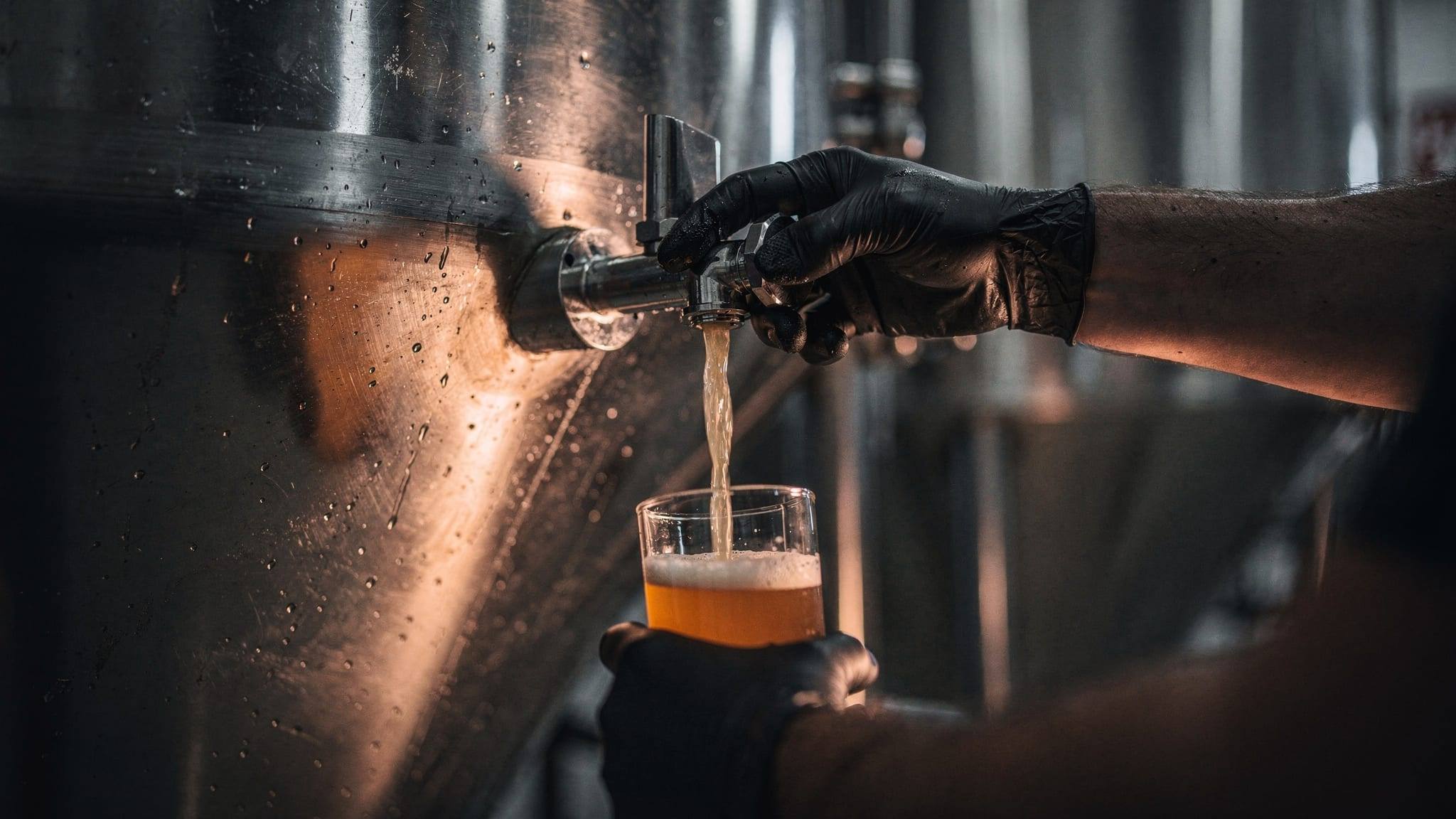
Recipes scale to your own brewhouse, brew days are logged at the kettle, and every transfer, dry hop and packaging step is recorded against the batch, with the litres each one cost.
-
Versioned recipes, scaled to the kit
Recipes are versioned, so editing one never rewrites a batch already brewed. Scale to your brewhouse and the hop additions adjust to the alpha acid of the lots in your cold room.
-
Recipes brought in, not retyped
Import BeerXML or BeerJSON recipes as drafts you review. Each ingredient matches a material you already stock or waits for your decision, and a figure the file leaves ambiguous is held for you to confirm, never guessed.
-
Batches that account for every litre
Brew days, transfers, dry hops and packaging, vessel to vessel. Volume in equals volume out plus volume on hand plus recorded loss — so shrinkage is always explained, never absorbed.
-
Transfers that name the litres they lose
Every transfer records what left one vessel and what arrived in the next. The difference becomes a loss with a reason code, written in the same step, so nobody has to correct the number later without a record.
-
One batch per tank, and blends on the record
A vessel holds one batch at a time, never more than it can work with. Combining two makes a blend: a new batch that records its parents and their proportions, so neither the volume nor the trace turns into a guess.
-
Measured ABV, kept apart from the prediction
The ABV you measure and the ABV the recipe predicts are separate figures, and neither overwrites the other. The measured value is the one carried onto every packaged lot.
Every litre of a batch, accounted for.
Shrinkage is explained, never absorbed. Each transfer records what left one vessel and what arrived in the next, so a batch balances to the litre before the excise period has to.
| Term | Volume | Why it is recorded |
|---|---|---|
| Packaged | 2,870.4 L | 473 mL cans and 50 L kegs. This is the volume duty is assessed on. |
| 473 mL cans and 50 L kegs. This is the volume duty is assessed on. | ||
| Tank heel | 68.0 L | Left in the cone. Still on hand, not a loss — it is measured, not estimated. |
| Left in the cone. Still on hand, not a loss — it is measured, not estimated. | ||
| Transfer loss | 17.0 L | The difference between what left the fermenter and what arrived in the brite tank. |
| The difference between what left the fermenter and what arrived in the brite tank. | ||
| Packaging line | 47.6 L | Line waste and twelve rejected cans, recorded in the same transaction as the run. |
| Line waste and twelve rejected cans, recorded in the same transaction as the run. | ||
| Into FV-3 | 3,003.0 L | Remainder 0.0 L |
| Remainder 0.0 L | ||
Illustrative figures from Kettle Creek Brewing Co., a fictional producer.
Winery production
Winery production, from block to blend.
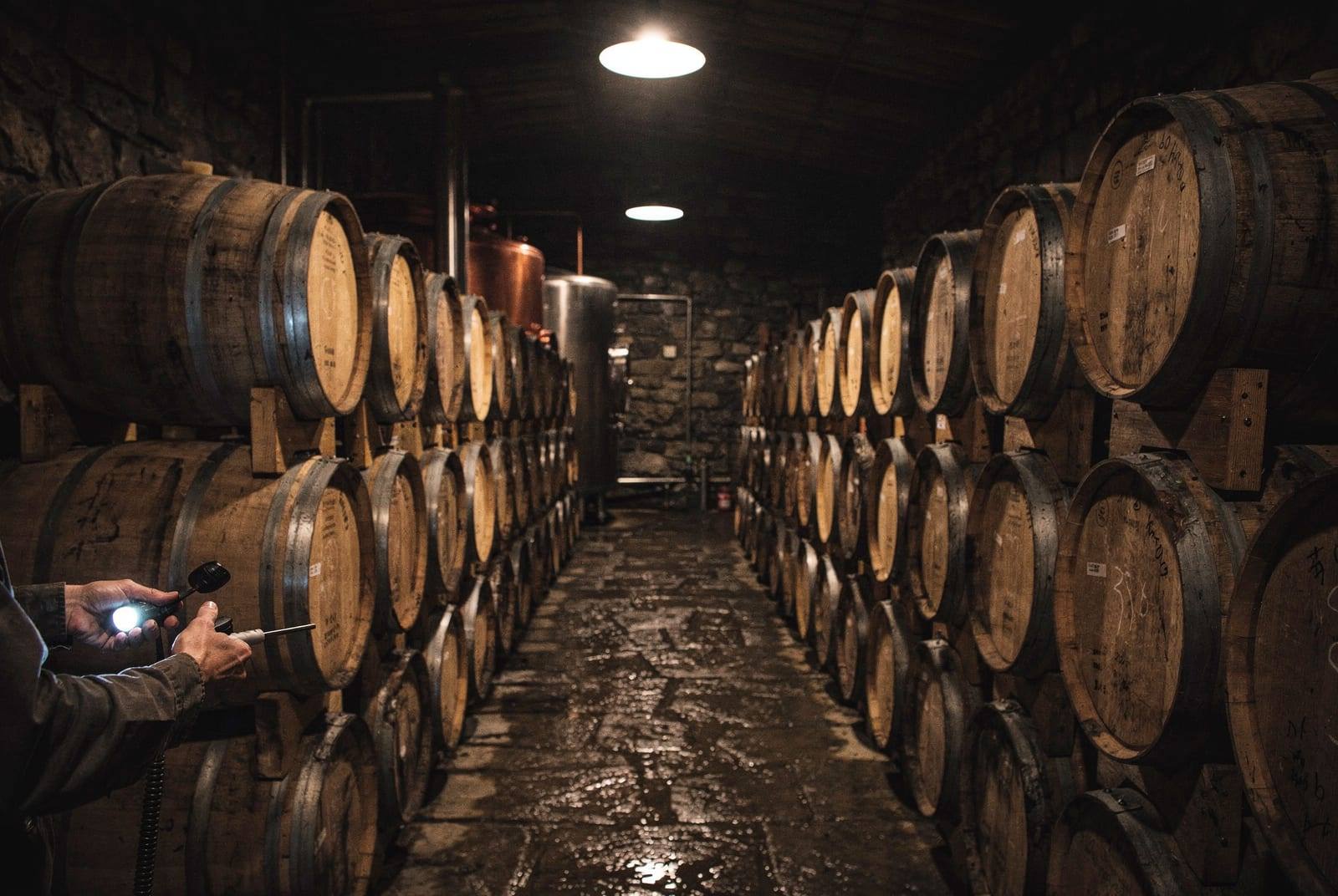
Fruit is weighed in against the block it was picked from, press fractions and barrels keep their own records, and every blend and top-up works out the wine’s varietal and vintage make-up from what went into it.
-
Blocks, harvests and grape intake
Record vineyard blocks, spray programs and harvest picks, weigh in the fruit at the crush pad, and carry the block of origin into every wine made from it. A pick inside a pre-harvest interval is blocked, not merely flagged.
-
Crush, press, barrels and blends
Press fractions, barrel fills and top-ups, and blends that keep their varietal and vintage composition — so a label claim can be checked against the wine that is in the bottle.
-
Barrels with a history that never resets
A barrel’s fill count only ever goes up, ullage is recorded before every top-up, and a top-up is a small blend with its own trace — so years in the barrel room are measured, not assumed.
One vintage, from the block to the bottle.
The same rule as anywhere in the cellar: what the press yields, what each barrel holds and what the bottling line fills are all recorded, so the lot keeps the block it came from all the way to the club release.
-
01
Vineyard
Pinot Noir from Block 3 and Block 5, picked and weighed in against the block each harvest lot came from: HV-2025-0917 and HV-2025-0921.
-
02
Crush and press
Pressed into lot TM-2025-PN04, with the yeast, sulphite and fining agent that went into it recorded against the lot.
-
03
Barrel room
Fills and top-ups recorded barrel by barrel, so the lot’s history in oak is measured rather than remembered.
-
04
Bottling and club
1,980.0 L into 2,400 bottles and 120 magnums, which is when duty is imposed. Then out to the board, the cellar door and a 720-bottle club release.
Illustrative figures from Twenty Mile Wines, a fictional producer.
Brewery or winery
The record is made where the work is done.
-
Made for the cellar floor
Big targets, few taps and gloves-on input on a tablet by the tanks, with a safety layer for confined-space entry and CO₂ zones. The record is made where the work is done.
-
Release gates, not status flags
Nothing is allocated, shipped or sold without a quality release. Put a batch on hold and the hold reaches every lot made from it — including the ones already packaged.
Private beta · Limited places
Bring your next batch into the private beta.
We are onboarding a limited number of Canadian breweries, wineries, cideries, meaderies and distilleries. Early partners get a named person who answers, beta pricing held for twenty-four months, and a real say in what ships next.