The product
One system, from the purchase order to the excise period.
Production records in one place, sales in another, the excise workbook in a third. BrewCraft keeps the whole chain on one record — and writes the duty entry in the same step as the inventory movement that caused it, so the two can never disagree.
Seed to shelf
Everything a licensed producer runs, in the order the liquid moves.
Vineyard and purchasing
From the block and the purchase order to a lot on the shelf with its paperwork.
-
Purchase orders that know the real cost
Order malt, hops, fruit, bottles and cans from your vendors, receive them against the PO, and cost them with freight, brokerage and exchange included — the landed cost every batch is costed from.
-
Every material lot, with its certificate
Each delivery becomes a lot with its certificate of analysis attached and its measured values — the alpha acid this lot tested at, not the catalogue figure.
-
Blocks, harvests and grape intake
Record vineyard blocks, spray programs and harvest picks, weigh in the fruit at the crush pad, and carry the block of origin into every wine made from it. A pick inside a pre-harvest interval is blocked, not merely flagged.
-
The oldest lot used first, unless you say why
Lot-controlled materials are drawn first-expiring, first-out. Reaching past the oldest lot is allowed, and the reason is recorded with it.
Brewhouse, crush pad and cellar
Recipes, brew days, crush and press, fermentation, barrels and blends.
-
Versioned recipes, scaled to the kit
Recipes are versioned, so editing one never rewrites a batch already brewed. Scale to your brewhouse and the hop additions adjust to the alpha acid of the lots in your cold room.
-
Batches that account for every litre
Brew days, transfers, dry hops and packaging, vessel to vessel. Volume in equals volume out plus volume on hand plus recorded loss — so shrinkage is always explained, never absorbed.
-
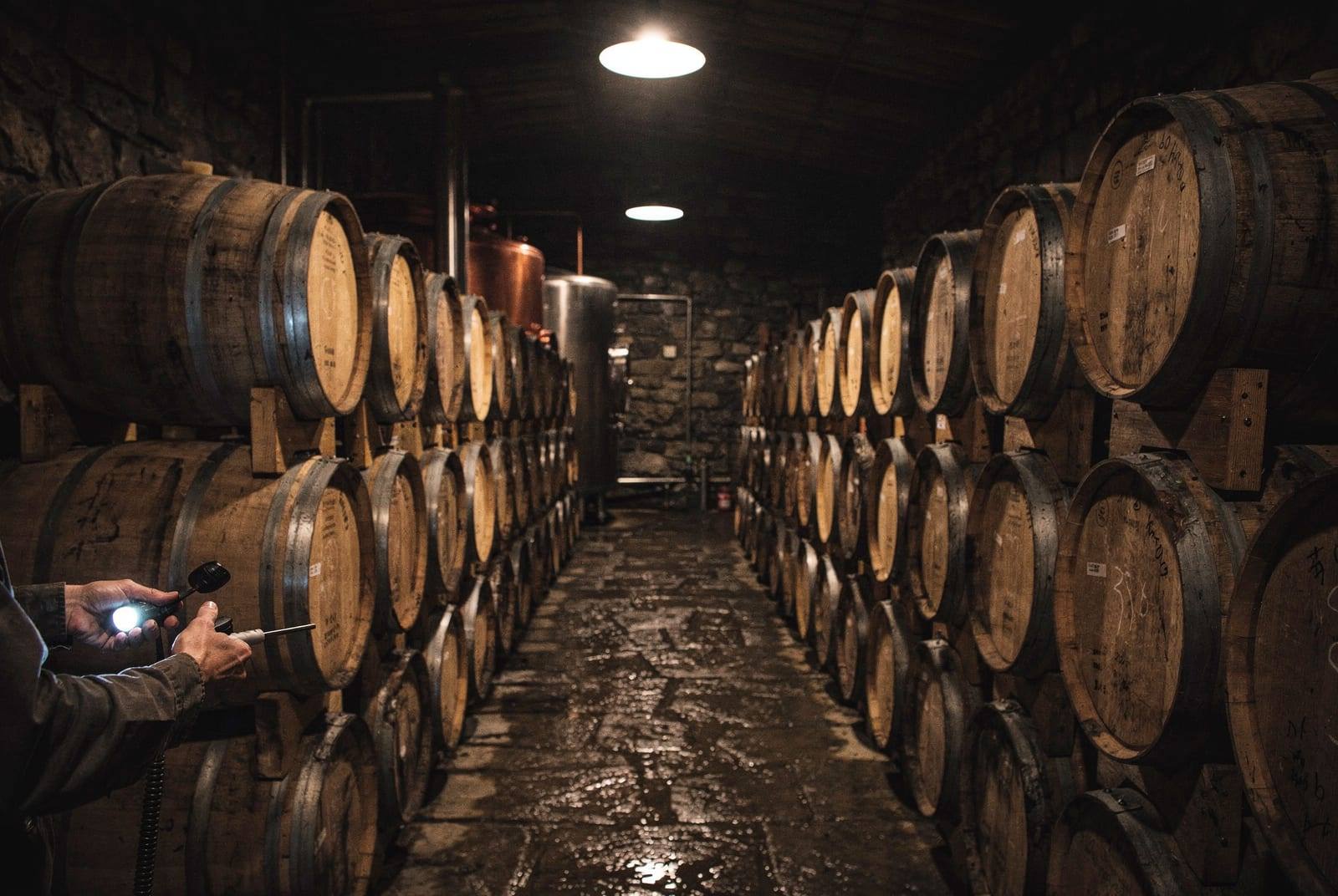
Crush, press, barrels and blends
Press fractions, barrel fills and top-ups, and blends that keep their varietal and vintage composition — so a label claim can be checked against the wine that is in the bottle.
-
Transfers that name the litres they lose
Every transfer records what left one vessel and what arrived in the next. The difference becomes a loss with a reason code, written in the same step, so nobody has to correct the number later without a record.
-
One batch per tank, and blends on the record
A vessel holds one batch at a time, never more than it can work with. Combining two makes a blend: a new batch that records its parents and their proportions, so neither the volume nor the trace turns into a guess.
-
Measured ABV, kept apart from the prediction
The ABV you measure and the ABV the recipe predicts are separate figures, and neither overwrites the other. The measured value is the one carried onto every packaged lot.
-
Barrels with a history that never resets
A barrel’s fill count only ever goes up, ullage is recorded before every top-up, and a top-up is a small blend with its own trace — so years in the barrel room are measured, not assumed.
-
Recipes brought in, not retyped
Import BeerXML or BeerJSON recipes as drafts you review. Each ingredient matches a material you already stock or waits for your decision, and a figure the file leaves ambiguous is held for you to confirm, never guessed.
Quality and traceability
Holds that stop a lot shipping, and a trace from any can back to the field.
-
Release gates, not status flags
Nothing is allocated, shipped or sold without a quality release. Put a batch on hold and the hold reaches every lot made from it — including the ones already packaged.
-
One trace, both directions
From any finished lot back to the malt, hop, yeast, fruit or honey lots in it, through blends, and forward to every customer who received it. Links are written as the work happens, and never edited afterwards.
-
Mock recalls you can run any afternoon
Start from a suspect lot and get the full picture: which batches, which finished lots, which customers, and what is still on hand. Practice for your recall plan, long before you ever need it.
Packaging and inventory
Every can, bottle and keg counted from the ledger, never typed in.
-
Packaging runs that close on the litre
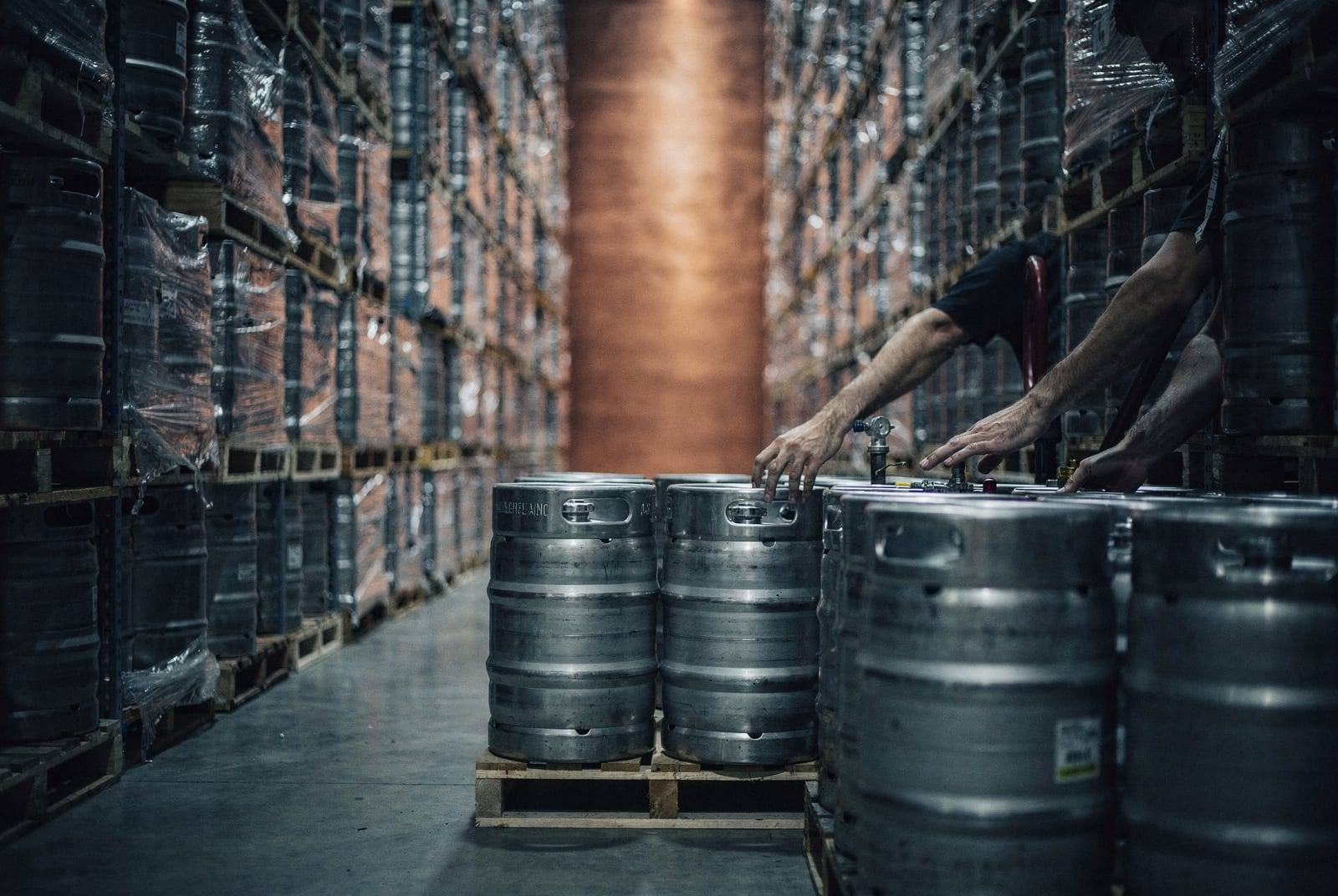
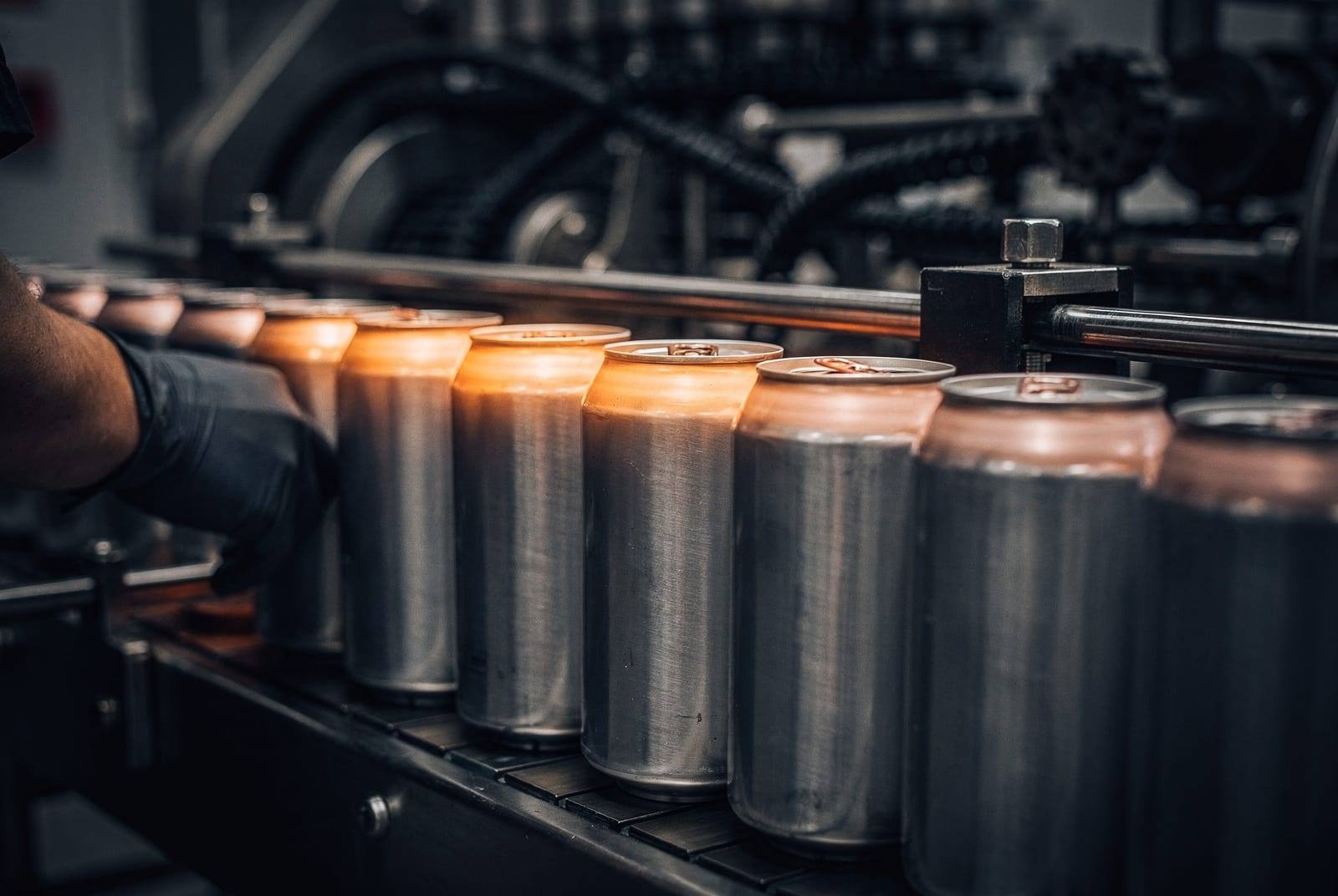
Cans, bottles and kegs come off the line as finished lots with a date code, and line waste is recorded in the same step — the run reconciles before it closes.
-
Stock you never have to retype
On-hand is derived from an append-only ledger of movements. A mistake is corrected by a compensating movement, so the history always explains the number.
-
Kegs as beer, asset and deposit
A keg is three things at once: the beer inside it, a steel asset you own, and a deposit you owe back. BrewCraft keeps all three, so the fleet, the empties and the liability agree.
-
Available, not just on hand
What you can sell is what is on hand less what is allocated, held or reserved, and it never goes below zero. Every movement carries its reason and the event behind it, so a number that changed can always say why.
-
A keg fleet that is chased, not guessed at
Every keg moves through its own states (clean, filled, at a customer, back for cleaning), recorded apart from the beer inside it. One that stays out too long is chased, then proposed for write-off: never written off automatically.
Sales, taproom and delivery
Boards, private retail, licensees, the taproom, the club and the truck.
-
Every Canadian channel, one order book
Provincial boards, private retail, licensees, the taproom and direct-to-consumer — each with its own listing, pricing and paperwork, and a licensee order stopped when the customer’s licence has lapsed.
-
Taproom and cellar door, by the pour
Tap a keg, sell it by the pour, and see the difference between what was poured and what was rung in when it blows. Every sale lands in the same order book as a board order.
-
Clubs and scheduled releases
Tiers, members, allocations and release runs for your wine, cider or beer club — with each release becoming an ordinary order, so duty, deposits and tax follow automatically.
-
Routes, proof of delivery and empties
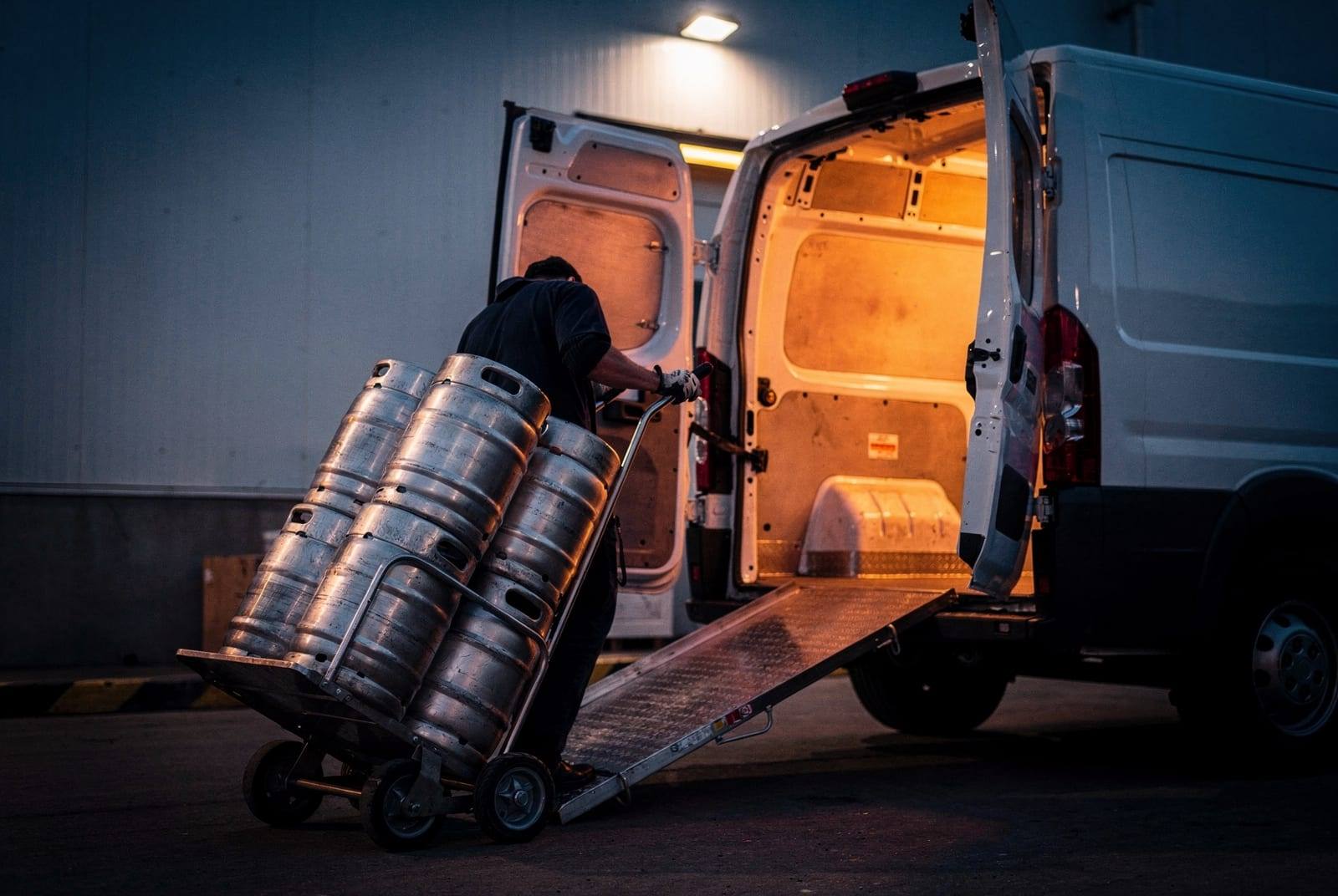
Pick, load and deliver on a route, capture proof of delivery at the door, and bring the empties back against the deposit they carry.
Canadian compliance
Excise under both statutes, and the provincial layer on top of it.
-
Two excise statutes, one ledger
Beer under the Excise Act, and wine, cider and mead under the Excise Act, 2001 — each with its own basis and its own moment duty attaches. A parallel duty ledger records the status of every litre, written by the same step that moves the stock.
-
Excise periods, reconciled to the litre
Every period is reconciled to the litre in the terms each statute sets out for its return, and your return figures come with the ledger that supports them. You review and file.
-
Markups, deposits, eco fees and sales tax
Provincial board markups, container deposits, stewardship fees and GST, HST, PST or QST are kept as four separate amounts with four separate payees — the way your accountant needs them, for each province and territory where they apply.
-
Every rate dated and sourced
Duty, markup, deposit and fee rates live in effective-dated tables, each traced to its published source, and the rate applied is the one in force on the day that governs.
Running the business
True batch cost and the journals your books need, several sites and licences, the cellar floor, and the move from whatever you run today.
-
The true cost of every batch
Materials at landed cost, packaging, and the litres that never became product — loss is a cost, not a rounding error. Duty is recognised as part of cost when it becomes payable.
-
Several sites, several licences, one account
A brewery with a satellite taproom, a winery with a cidery licence, a group of associated producers — each licence kept separate where the law says it must be, and seen together where you want it to be.
-
Made for the cellar floor
Big targets, few taps and gloves-on input on a tablet by the tanks, with a safety layer for confined-space entry and CO₂ zones. The record is made where the work is done.
-
An audit trail that cannot be edited
Every change to a record that matters is kept, append-only, with who made it and when — the evidence behind a return, a recall or a board query.
-
Beer in the tank is on the balance sheet
Work in process is valued as inventory, because beer in a fermenter is an asset. A batch’s cost stays provisional while it is in the cellar, and becomes final once the batch closes and its vendor bills are reconciled.
-
Journals mapped to your own chart of accounts
Cost of goods, inventory value and deposits are built as journals for your books, against the accounts you already use — mapped with you at onboarding, never guessed. Deposits stay a liability until the container comes back, never revenue.
-
Switch over without retyping — or guessing
Bring your records in from a spreadsheet through the BrewCraft import template. Every row is staged and decided by a named person, nothing the file does not establish is defaulted, and each record keeps the file and row it came from.
-
Opening stock, declared once at cutover
At cutover, the duty status of each packaged lot you hold is declared lot by lot against your last return, and counted as opening inventory — never as new production. Past batches arrive as history, and a trace that reaches back past cutover says so.
Tank to truck
One batch, followed all the way out the door.
-
01
Fermenter FV-3
3,003.0 L in. Transfers, dry hops and losses are recorded as they happen, not reconstructed later.
-
02
Packaging run
2,870.4 L into 4,800 cans and 12 kegs, with 47.6 L of line waste recorded in the same step. Duty is assessed here.
-
03
Finished goods
Two lots, FG-2026-0781 and FG-2026-0782, released by quality and allocated by lot — so every case can be traced.
-
04
Delivery
A provincial board order, a licensee and the taproom, on a route with proof of delivery and the empties coming back.
Illustrative figures from Kettle Creek Brewing Co., a fictional producer.
| Term | Volume | Why it is recorded |
|---|---|---|
| Packaged | 2,870.4 L | 473 mL cans and 50 L kegs. This is the volume duty is assessed on. |
| 473 mL cans and 50 L kegs. This is the volume duty is assessed on. | ||
| Tank heel | 68.0 L | Left in the cone. Still on hand, not a loss — it is measured, not estimated. |
| Left in the cone. Still on hand, not a loss — it is measured, not estimated. | ||
| Transfer loss | 17.0 L | The difference between what left the fermenter and what arrived in the brite tank. |
| The difference between what left the fermenter and what arrived in the brite tank. | ||
| Packaging line | 47.6 L | Line waste and twelve rejected cans, recorded in the same transaction as the run. |
| Line waste and twelve rejected cans, recorded in the same transaction as the run. | ||
| Into FV-3 | 3,003.0 L | Remainder 0.0 L |
| Remainder 0.0 L | ||
Illustrative figures from Kettle Creek Brewing Co., a fictional producer.
Canadian compliance
Two excise statutes, and what fermented decides which one applies.
Two Acts of Parliament apply, on different bases, with different relief paths and different moments at which duty attaches. BrewCraft models both from the start. Cider and mead are classed as wine under the second Act, and BrewCraft records the origin of every fruit and honey lot.
| Product class | What it is | Statute | Basis | Duty event | Relief |
|---|---|---|---|---|---|
| Beer | Brewed from malt or grain | Excise Act | Charged per hectolitre | Assessed at packaging, on the production day | Reduced rates for smaller brewers, with associated brewers counted together |
| Wine, cider and mead | Fermented from an agricultural product other than grain — grapes, apples, honey | Excise Act, 2001 | Charged per litre | At packaging — or on removal, if the wine is held in an excise warehouse | Its own relief paths, including exports |
| Event | Volume | Duty status | What it means |
|---|---|---|---|
| Fermenter FV-3 Fermentation complete | 3,003.000 L | Process stock | Process stock. Nothing is assessed yet, and the ledger says so. |
| Process stock. Nothing is assessed yet, and the ledger says so. | |||
| Brite tank BT-2 Transfer · 17.000 L loss recorded | 2,918.000 L | Process stock | Still process stock. 68.000 L stays behind as a measured tank heel. |
| Still process stock. 68.000 L stays behind as a measured tank heel. | |||
| Packaging run 473 mL cans and 50 L kegs · 47.600 L line waste | 2,870.400 L | Assessed | Duty is assessed HERE, on the production day. Not at the sale. Not at the shipment. |
| Duty is assessed HERE, on the production day. Not at the sale. Not at the shipment. | |||
| Finished goods On the pallet, unsold, nobody has ordered it | 2,870.400 L | Assessed | Already assessed, though nobody has ordered it. This is the part people get wrong. |
| Already assessed, though nobody has ordered it. This is the part people get wrong. | |||
| Shipped Provincial board order, 2,880 cans | 1,362.240 L | Assessed | Shipping is not a duty event for beer, so the status does not move. The period’s remittance is what makes it duty-paid. |
| Shipping is not a duty event for beer, so the status does not move. The period’s remittance is what makes it duty-paid. | |||
Illustrative figures from Kettle Creek Brewing Co., a fictional producer.
-
Two excise statutes, one ledger
Beer under the Excise Act, and wine, cider and mead under the Excise Act, 2001 — each with its own basis and its own moment duty attaches. A parallel duty ledger records the status of every litre, written by the same step that moves the stock.
-
Excise periods, reconciled to the litre
Every period is reconciled to the litre in the terms each statute sets out for its return, and your return figures come with the ledger that supports them. You review and file.
-
Markups, deposits, eco fees and sales tax
Provincial board markups, container deposits, stewardship fees and GST, HST, PST or QST are kept as four separate amounts with four separate payees — the way your accountant needs them, for each province and territory where they apply.
-
Every rate dated and sourced
Duty, markup, deposit and fee rates live in effective-dated tables, each traced to its published source, and the rate applied is the one in force on the day that governs.
Built for Canada
All 13 provinces and territories, each with its own liquor authority and its own rules.
-
Alberta
AGLC
-
British Columbia
BC Liquor Distribution Branch
-
Manitoba
Liquor & Lotteries
-
New Brunswick
ANBL
-
Newfoundland and Labrador
NLC
-
Nova Scotia
NSLC
-
Northwest Territories
Territorial liquor authority
-
Nunavut
Territorial liquor authority
-
Ontario
LCBO
-
Prince Edward Island
PEI Liquor Control Commission
-
Québec
SAQ
-
Saskatchewan
SLGA
-
Yukon
Territorial liquor authority
Wherever they apply: board markup, container deposits, stewardship fees, sales tax — kept as four separate amounts with four separate payees, each from a dated table that cites its source.
Traceability and recall
Every finished lot, traced to the field and to the customer.
Trace links are written by the same step that consumes or produces a lot, and never edited afterwards. So a mock recall is a question you can ask any afternoon, not a project.
Suspect lot
ML-2610-A · Canadian 2-row pale malt
Went into batch KC-2026-014. The other four inputs are not implicated and stay out of the recall.
-
FG-2026-0781 · 4,800 × 473 mL cans
- Provincial board order 2,880 cans
- On hand 1,908 cans
- QC retention 12 cans
-
FG-2026-0782 · 12 × 50 L kegs
- Licensee 8 kegs
- Taproom 2 kegs
- On hand 2 kegs
Illustrative figures from Kettle Creek Brewing Co., a fictional producer.
Why producers can trust it
Books that balance — or say exactly why not.
A green tick is easy to draw. BrewCraft shows you the one volume nobody can explain, before it becomes a return that is confidently wrong.
-
Never a number your accountant has to unwind
BrewCraft never invents a rate or fills a gap with last year’s figure. When a question has no published answer, it says so and shows you where — instead of producing a confident wrong number that surfaces at audit.
-
Books that balance, or say exactly why not
An excise period reconciles to the litre before it closes. If it does not, you see the volume nobody has explained, instead of a tolerance band that hides it.
-
Your data, walled off and yours to take
Every producer’s records are isolated at the database itself, not just in the app, and you can export all of it whenever you like — whether or not you stay.
-
Your recipes stay yours
Recipe names, ingredients, volumes, costs and customers never leave your account for anyone’s analytics. Your recipe is your edge; we treat it that way.
| Line | Volume | Note |
|---|---|---|
| Assessed at packaging | 2,870.400 L | = 28.704 hL |
| = 28.704 hL | ||
| Duty paid | −2,864.724 L | Including assessed beer still in the cold room. Shipping it does not change this line. |
| Including assessed beer still in the cold room. Shipping it does not change this line. | ||
| Exported | 0.000 L | None this period |
| None this period | ||
| Destroyed | 0.000 L | None this period |
| None this period | ||
| Returned to process stock | 0.000 L | None this period |
| None this period | ||
| Accounted for | 2,864.724 L | |
| Unresolved | 5.676 L | QC retention samples |
| QC retention samples | ||
No return produced
5.676 L of assessed product is unaccounted for, and the reason it is unaccounted for has no published answer.
- The rule
- A duty period only closes when every litre reconciles. There is no tolerance band, and no setting that adds one.
- The open question
- Whether a quality-control retention sample drawn from packaged, assessed beer is duty-paid, destroyed, or neither. No published source answers it. BrewCraft marks it as an open question rather than guessing.
- What happens instead
- The period stays open, the unexplained volume is named on screen, and the question stays on our list of questions with no published answer, with the date it was last reviewed. It is never filled in with a default, and never with zero.
Illustrative figures from Kettle Creek Brewing Co., a fictional producer.
Questions
What producers ask about BrewCraft.
- Does BrewCraft handle beer and wine excise duty in the same system?
- Yes. Beer duty is kept under the Excise Act and wine, cider and mead duty under the Excise Act, 2001, on one ledger that runs beside your stock and is written by the same steps that move it.
- Where do the duty, markup and deposit rates come from?
- From dated tables, each traced to the published source it came from. BrewCraft applies whichever rate was in force on the day that governs, and keeps the markup, deposit, eco fee and sales tax as separate amounts.
- Who files the excise return, BrewCraft or me?
- You do. BrewCraft reconciles each period to the litre and prepares the return figures alongside the ledger behind them, and you review and file.
- Can I move off spreadsheets without retyping everything?
- Yes. Your records come in through the BrewCraft import template, each row is approved by a named person before it lands, and every record remembers the file and row it came from.
Support
Help with the software, and help with the excise.
We reply within 24 hours on business days (Monday to Friday, excluding statutory holidays).
-
Technical support
-
Accounting and excise support
Accounting and excise support backed by government-side excise experience.
Private beta · Limited places
See it with your own batches.
We are onboarding a limited number of Canadian breweries, wineries, cideries, meaderies and distilleries. Early partners get a named person who answers, beta pricing held for twenty-four months, and a real say in what ships next.